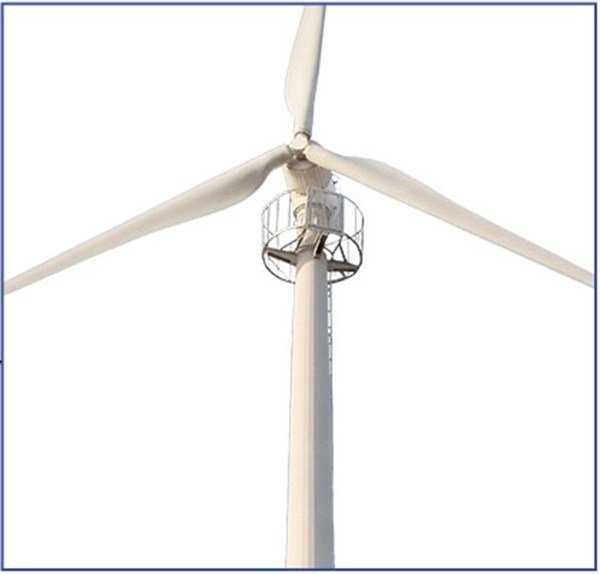
Imagine a future where your rural home or farm is powered by the steady, reliable force of nature, keeping your lights on, pumps running, and operations humming, even when the grid falters. For those living where the winds whip across open fields and the sky stretches on forever, harnessing that constant breeze isn't just a romantic notion – it's a smart, resourceful way to achieve true energy independence. Wind generators are becoming an increasingly popular choice for country folk, offering a powerful blend of cost savings, environmental stewardship, and peace of mind during unpredictable weather.
Whether you're looking to significantly reduce your monthly electric bill, secure a robust backup power source, or take a substantial step towards a self-sufficient lifestyle, a wind generator can be a transformative investment. It’s about turning what Mother Nature freely provides into tangible, useful energy for everything from lighting a barn to powering essential farm equipment. This guide will help you understand everything you need to know about bringing wind power to your property, connecting you to deeper insights at every turn.
Discovering the Potential of Wind Energy for Your Property
Harnessing wind power means tapping into a clean, renewable energy source right on your land. This not only lessens your reliance on utility companies and their fluctuating rates but also fortifies your property against power outages – a common worry during stormy seasons or peak demand. From ensuring water tanks don’t freeze in winter to keeping crucial systems running during a blackout, a wind turbine offers a reliable lifeline. It’s a testament to the enduring spirit of self-reliance that defines rural living.
Moreover, integrating wind energy can significantly reduce your carbon footprint, contributing to a healthier planet. These systems are designed for durability, built to withstand the elements, and require manageable upkeep. The journey to wind energy independence starts with understanding the various options and how they align with your specific needs.
Matching the Right Wind Generator to Your Needs
Not all wind generators are created equal, and what works for a small shed might not be sufficient for an entire farmhouse or a demanding agricultural operation. From compact models ideal for modest energy demands to larger, more powerful turbines designed to supply significant electricity, the range of options is vast. Understanding these differences is crucial for making an informed decision.
Before you even consider where to place a turbine, it’s essential to understand the array of wind generators available, each designed for specific purposes. From small backyard units to robust systems powering entire properties, you can Learn Wind Generator Types and Uses to find the perfect match for your energy goals, whether you're looking for a simple water pump or a full home energy solution.
Assessing Your Site and Sizing Your System for Optimal Performance
Once you have an idea of the generator type, the next critical step is ensuring your property is actually suitable and how much power you truly need. Wide-open spaces with steady, unobstructed winds offer the best potential, making locations like ridges or expansive fields ideal. However, even properties with less space can benefit from smaller-scale solutions. Accurately assessing your average wind speed and your daily energy consumption is paramount to selecting a system that delivers reliable power without over- or under-sizing.
Effective wind power hinges on a thorough understanding of your energy demands and local wind patterns, making it vital to focus on Wind Generator Sizing & Site for optimal performance. This critical evaluation will help determine the most efficient and cost-effective system for your unique environment.
The Practicalities: From Investment to Installation
Investing in a wind generator is a long-term commitment that brings both financial and operational benefits. While the initial outlay can be significant, the potential for reduced electricity bills, increased property value, and eligibility for various incentives makes it a worthwhile consideration. Beyond the purchase, the installation process, including securing necessary permits, is a crucial phase that requires careful planning and execution.
Understanding the Financial Landscape: Costs, Returns, and Incentives
The decision to install a wind generator naturally brings financial considerations to the forefront. You'll want to evaluate the upfront costs against the long-term savings on your utility bills and the potential for a positive return on investment. Furthermore, various government programs and local incentives may be available to offset a portion of the installation expenses, making wind power more accessible.
Investing in wind energy is a significant decision, and understanding the financial landscape is crucial. Beyond the upfront purchase, many factors contribute to the true value proposition, so it's wise to delve into the Cost, ROI, and Incentives for wind power to see how it benefits your budget long-term.
Navigating Installation and Permitting for a Smooth Setup
Once your wind generator is selected and the financial planning is complete, the next major step is the actual installation. This process involves not only the physical setup of the turbine and its components but also securing the necessary permits and adhering to local zoning laws. Proper installation ensures the safety, efficiency, and longevity of your wind energy system.
With your generator selected and financials squared away, the next big hurdle is physically getting your system operational. This involves not just the mechanical setup but also navigating local regulations and ensuring safe practices, which is why we offer a comprehensive Guide to Wind Turbine Installation Navigate the complexities of getting your wind turbine up and running smoothly.
Building a Holistic Energy Strategy for Your Rural Property
For many rural homeowners and farmers, wind power may not be the only solution, but rather an integral part of a larger, more resilient energy strategy. Combining wind with other sources like solar panels or traditional backup generators can create a robust, diversified system that provides power no matter the weather conditions. Understanding how wind energy complements or contrasts with these alternatives is key to crafting the perfect energy mix for your unique needs.
Comparing Wind Generators with Other Energy Alternatives
While wind power offers compelling advantages, it's beneficial to weigh its merits against other available energy sources. Solar panels, for instance, excel during sunny days, while a traditional backup generator provides instant power when all else fails. Integrating wind energy with these systems can create a harmonious and highly reliable power ecosystem, ensuring you're covered no matter what.
For many, wind power isn't the only option, or it might be part of a larger energy solution. Understanding how wind energy stacks up against alternatives like solar panels or traditional generators is key to building a resilient, cost-effective energy system for your property. To make the most informed decision about your overall energy strategy, consider Comparing Wind Generators to Other options to identify the best mix for your specific needs.
Your Path to Rural Energy Independence
Embracing wind energy is more than just installing a piece of equipment; it's adopting a mindset of self-sufficiency, resourcefulness, and a commitment to sustainable living. With careful planning, a clear understanding of your needs, and access to the right information, you can transform the steady breezes across your land into a dependable power source for years to come. Your journey towards energy independence begins now, promising a future of lower bills, fewer worries, and a powerful connection to the land you call home.