The global energy landscape is undergoing a monumental shift, driven by an urgent imperative: moving away from the fossil fuels that fuel climate change and embracing cleaner alternatives. As a seasoned observer of this transformation, I can tell you that understanding the nuances of these renewable sources—and particularly, comparing wind generators to other energy sources—isn't just a technical exercise; it's about making informed decisions for our planet and our pocketbooks. We're talking about a future powered by the relentless push of the wind, the steady warmth of the sun, and the hidden energies beneath our feet.
At a Glance: What You Need to Know
- The Big Picture: Renewable energy is crucial for reducing emissions, enhancing energy independence, and fostering sustainable growth.
- Wind Power's Edge: Offers high efficiency, operates day and night, and is becoming increasingly cost-effective, especially at scale.
- Solar's Strengths: Lower upfront costs for residential use, easy deployment, and rapid technological advancements.
- Hydro & Geothermal: Provide consistent, base-load power but are geographically limited and have specific environmental trade-offs.
- Biomass's Role: Versatile and potentially carbon-negative with advanced technology, but with moderate efficiency.
- Residential Choice: Solar generally wins for homeowners due to practicality and cost, while wind often shines in large-scale commercial applications.
- The Future: Wind power is on a trajectory to potentially become the leading global renewable energy source.
The Global Imperative: Why Renewables Now?
For decades, our world has relied heavily on fossil fuels—coal, oil, and natural gas—to power everything from our homes to our industries. The cost of this reliance is steep: approximately 75% of global greenhouse gas emissions can be traced back to burning these resources. This isn't just an environmental problem; it's a threat to economic stability, public health, and global security.
Enter renewable energy. These sources—wind, solar, hydro, geothermal, and biomass—offer a clear path forward. They produce clean energy, dramatically reduce emissions, enhance our energy independence by tapping into abundant natural resources, and, importantly, support new economic growth and job creation. The shift isn't just necessary; it's happening, and understanding its components is key to navigating our future.
Understanding the Players: An Overview of Renewable Energy Sources
Before we dive into the direct comparisons, let's briefly introduce the main contenders in the renewable energy arena. Each has unique characteristics that make it suitable for different contexts and challenges.
Wind Power: Harnessing Nature's Breath
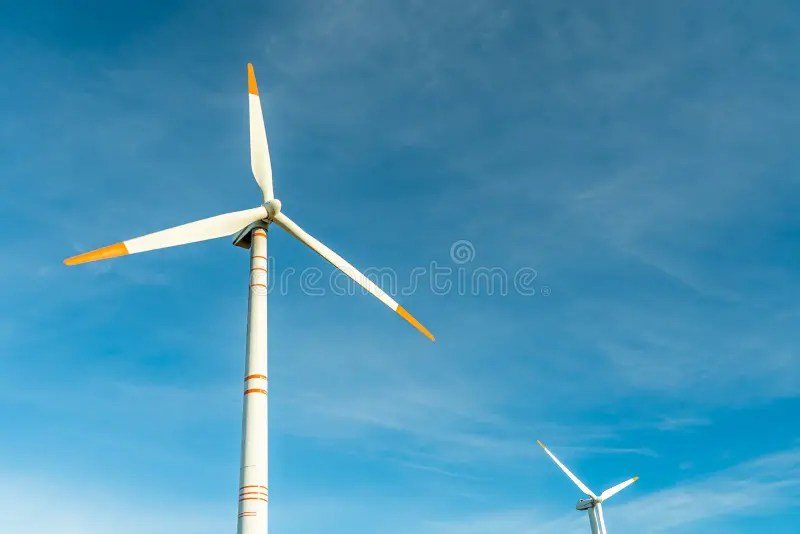
Wind power, as its name suggests, captures the kinetic energy of moving air using giant turbines. These modern marvels are a common sight in many landscapes, whether arrayed across vast onshore plains or standing majestically offshore. One of wind's most compelling advantages is its ability to generate electricity day and night, as long as the wind blows, making it a powerful complement to solar.
Solar Power: Tapping the Sun's Embrace
Solar power directly converts sunlight into electricity through photovoltaic (PV) cells or uses it to heat water or air. It's clean, abundant, and incredibly versatile, deployable on rooftops, in vast solar farms, and even in portable devices. Its primary limitation, naturally, is its reliance on daylight hours, though energy storage solutions are rapidly mitigating this challenge.
Hydropower: The Force of Flowing Water
Hydropower is one of the oldest and most established forms of renewable energy, utilizing the natural flow of water, typically through dams. It boasts a remarkably long lifespan and low operational costs once built, providing benefits like flood control, irrigation, and drinking water. However, its deployment is heavily dependent on specific geographies, and it comes with environmental trade-offs, such as potential ecosystem disruption and vulnerability to drought.
Geothermal Energy: Earth's Inner Heat
Imagine a power source that runs 24/7, regardless of weather, tapping into the Earth's very core. That's geothermal energy. It harnesses internal heat from the planet to generate steam and electricity. While offering consistent power, its efficiency typically ranges from 10-20% and its deployment is highly region-specific, requiring tectonically active areas. High initial costs and technical complexities are notable hurdles.
Biomass: Energy from Organic Matter
Biomass energy is generated from organic materials like agricultural waste, dedicated energy crops, and even municipal waste. It can be converted into heat, electricity, or transport fuels. With an efficiency of 20-25%, biomass offers a moderate contribution to the energy mix and can be quite economical. Critically, when combined with carbon capture and storage technologies, biomass can even achieve carbon-negative emissions.
Wind vs. Solar: A Head-to-Head Battle for Dominance
When people think of renewable energy, wind and solar are often the first two that come to mind. They represent the fastest-growing segments of the clean energy revolution, and their ongoing competition drives innovation and efficiency. Let's stack them up against each other.
Efficiency: Converting Nature's Power
Efficiency in renewable energy refers to how much of the available natural resource (wind or sun) can be converted into usable electricity.
- Wind Turbines: Modern wind turbines typically achieve 35-40% efficiency in converting wind energy into electricity. New designs and optimal offshore locations can push this even higher, with some technologies potentially converting 60-90% of the kinetic wind energy.
- Solar Panels: Conventional solar panels convert 15-25% of sunlight into electricity. Cutting-edge multi-junction cells, often used in specialized applications, can reach efficiencies up to 40%.
While wind appears to have a higher conversion rate, it's important to remember that these numbers represent different physical phenomena (kinetic energy of wind vs. electromagnetic radiation of sunlight). Both have made incredible strides in improving output.
The Price Tag: Cost and Return on Investment
Cost is a major driver for adoption, both for individual homeowners and large utility companies.
- Upfront Costs: For residential applications, solar systems tend to be less expensive upfront. A typical 3.5 kW residential solar system might cost around $8,500, whereas a residential wind turbine can range from $11,000 to $36,000, depending on size and installation complexity. However, for large-scale utility installations, wind power can often be more cost-effective per megawatt.
- Maintenance Costs: Both technologies have seen maintenance costs decrease over time. Wind turbine upkeep generally runs $3,000-$5,000 annually, a significant reduction from previous decades (down from $35/kW/year to $17/kW/year). Solar systems are comparatively low-maintenance, typically requiring $75-$150 for insurance and basic yearly checks (down from $30/kW/year to $18/kW/year).
- Return on Investment (ROI): Residential solar installations often pay for themselves in about 7.5 years, thanks to lower upfront costs and consistent performance. Small residential wind turbines might take longer, ranging from 6 to 30 years, largely due to higher initial investment and variable wind conditions. Commercial wind installations, however, can offer a much faster ROI due to economies of scale and optimal site selection.
- Levelized Cost of Energy (LCOE): This metric provides a useful comparison of the total cost to build and operate a power plant over its lifespan, divided by its total electricity output. By 2018, both wind and solar LCOE had dramatically decreased to $43 per megawatt-hour, a sharp contrast to $135/MWh for wind and $359/MWh for solar in 2009. This parity highlights their competitive edge against fossil fuels.
Space Efficiency: Making the Most of Land
Land use is a critical consideration, especially as populations grow and development expands.
- Wind Farms: Wind farms require about 1.3 square meters of land per kilowatt of power capacity. While the turbines themselves are large, the space between them can often be utilized for other purposes, such as agriculture. Wind turbines typically leave 95% of farmland available for crops or grazing.
- Solar Panels: Solar panels, particularly large-scale ground-mounted arrays, require more land per unit of power, needing approximately 21.2 square meters per kilowatt. However, innovative approaches like agrivoltaics (combining solar panels with agriculture) can significantly increase overall land productivity by up to 84%.
This comparison often overlooks rooftop solar, which uses existing building footprint, making it incredibly space-efficient for urban and suburban settings.
Geographical Dependence and Reliability
Both wind and solar are intermittent sources, meaning their output fluctuates with natural conditions.
- Wind: Requires consistent wind speeds, generally above 9 mph, for optimal performance. Crucially, it can produce energy day and night.
- Solar: Needs sufficient sunlight and is limited to daylight hours.
Both benefit immensely from advanced energy storage systems (like batteries) to store excess power for when conditions aren't ideal. Furthermore, combining both technologies in multi-technology deployments can achieve 85% higher reliability, balancing out their individual intermittencies. You can also explore the advantages of solar energy in more detail to see how it complements wind.
Environmental Impact: Beyond Carbon
While both wind and solar drastically reduce carbon emissions compared to fossil fuels, they aren't entirely without environmental considerations.
- Carbon Footprint: Both are remarkably clean. Wind turbines generate 4-34 grams of CO2 per kilowatt-hour over their lifecycle, while solar panels produce 6-50 grams of CO2 per kilowatt-hour. Compare this to coal plants, which emit around 1,000 grams of CO2/kWh, and the choice is clear.
- Wildlife Impact: This is a common concern. Wind turbines do pose a collision risk to birds (estimated 140,000-500,000 annually in the US) and bats (200,000-800,000 annually in North America). However, continuous research and mitigation strategies (e.g., turbine shutdowns during peak migration, radar systems, deterrents) are reducing these impacts. Solar farms can cause habitat loss in delicate ecosystems, particularly large ground-mounted arrays, but have minimal direct wildlife impact in residential and rooftop settings.
Versatility: Where Can They Go?
- Wind: Highly versatile, deployable in rural and urban areas (though less common in dense urban settings), and critically, offshore. Offshore wind farms benefit from stronger, more consistent winds and vast available space, making them a significant growth area.
- Solar: Also highly versatile, suitable for rooftops, open fields, and even integrated into building materials. Large-scale solar on water (floating solar) is emerging but less common than offshore wind.
Solar's Cutting-Edge Advancements
The pace of innovation in solar technology is astounding, constantly pushing boundaries:
- Bifacial Panels: These panels capture sunlight from both sides, increasing energy capture by up to 30%.
- Perovskite Materials: A revolutionary material showing promise for much higher conversion rates (up to 44% in lab settings) and a potential 60% reduction in manufacturing costs.
- AI Optimization: Artificial intelligence systems are being deployed to predict weather patterns, optimize panel angles, and manage energy flow, leading to up to 25% increased daily output.
Wind Against the Rest: Hydro, Geothermal, and Biomass
While wind and solar often dominate headlines, the other renewable energy sources play crucial roles, each with its own set of advantages and limitations when comparing wind generators to other energy sources.
Wind vs. Hydropower: Consistency vs. Flexibility
Hydropower has long been the dominant renewable energy source globally, prized for its ability to provide consistent, dispatchable power (you can control its output) and offer benefits like flood control. However, hydropower is inherently limited by geography—it requires suitable rivers and topography for dam construction. Large dams can also have significant ecological impacts, disrupting fish migration and altering river ecosystems. They are also vulnerable to droughts.
Wind power, on the other hand, offers far greater geographical flexibility. While it needs consistent wind, it can be deployed across vast plains, coastal areas, and crucially, offshore. Its growth trajectory is so rapid that it's anticipated to potentially surpass hydropower as the leading global renewable energy source in the coming decades, primarily due to its wider applicability and continuous technological advancements. For a deeper dive, you can delve into hydropower's role in the energy mix.
Wind vs. Geothermal: Predictable Base-Load vs. Widespread Potential
Geothermal energy stands out for its unique ability to provide consistent, 24/7 base-load power, unaffected by weather conditions. It’s a powerhouse of reliability. However, its deployment is strictly confined to tectonically active regions where the Earth's heat is close enough to the surface to be economically viable. The initial investment is high, and drilling deep into the Earth's crust presents complex technical challenges.
Wind power, while intermittent, has a far broader deployment potential. It doesn't rely on specific geological hotspots but rather on atmospheric conditions that are prevalent across much of the globe. While storage is needed to balance its intermittency, the sheer scale of potential sites for wind farms far outstrips that for geothermal. To explore geothermal's potential further, you'd look at regions like the Pacific Rim or Iceland.
Wind vs. Biomass: Scale and Sustainability
Biomass offers versatility, able to provide heat, electricity, and even liquid fuels, and can often utilize waste products. Its advantage lies in its "dispatchability" – you can burn it when needed, much like fossil fuels (though with lower emissions). However, its efficiency is moderate, and concerns exist around the sustainability of feedstock sourcing (e.g., competing with food crops, deforestation) if not managed properly. While it can be economical, the overall contribution of biomass to large-scale grid electricity is often smaller compared to wind.
Wind power typically offers a much larger scale of electricity generation, especially with large onshore and offshore farms. While biomass has a niche, particularly in waste-to-energy and certain industrial applications, wind remains a powerhouse for utility-scale electricity generation. For more on organic energy solutions, learn more about biomass.
The Homeowner's Dilemma: Solar or Wind for Residential Use?
This is a common question, and for most homeowners, the answer leans heavily towards solar.
Why Solar Often Wins for Homes:
- Practicality: Rooftop solar panels are easy to install on most homes, requiring minimal ground space.
- Lower Upfront Cost: As discussed, residential solar systems are generally less expensive to purchase and install than residential wind turbines.
- Space Efficiency: Solar uses existing roof space, avoiding the need for large, open plots of land.
- Predictable Output: While subject to daylight, solar's output for a typical home (around 16 panels) is generally more consistent and predictable than a small wind turbine in an average suburban backyard. Most residential areas simply don't have the consistent, unobstructed wind speeds required for effective residential wind generation.
- Minimal Wildlife Impact: Rooftop solar has virtually no impact on local wildlife compared to a spinning turbine blade.
- Property Value: Solar installations have a proven track record of increasing property values.
The Challenges of Residential Wind:
- Significant Open Space: Residential wind turbines need substantial, unobstructed open space to operate efficiently and safely. This is rare in most suburban or even many rural settings.
- Cost & ROI: Higher upfront costs and often longer ROI periods.
- Noise & Aesthetics: While modern turbines are quieter, a residential turbine can still produce noticeable noise and may not be aesthetically pleasing to neighbors.
- Permitting: Local zoning and permitting can be more complex for wind turbines due to height restrictions, setback requirements, and noise ordinances.
Therefore, unless you live on a large property with consistently strong, unobstructed winds (think a truly rural, exposed hilltop), solar energy is the more practical, economical, and hassle-free choice for generating electricity at home. If you're pondering deciding between solar and wind for your home, solar usually comes out on top.
Charting the Future: Where Wind Power Is Headed
Wind power is not just a present solution; it's a cornerstone of our future energy strategy. The rapid advancements in turbine technology, coupled with significant cost reductions and efficiency improvements, place it firmly at the forefront of the renewable revolution. Its ability to generate power day and night, its increasing cost-effectiveness, and its flexible deployment across diverse landscapes—especially its huge potential offshore—make it incredibly promising.
As we continue to push the boundaries of what's possible, from smarter grid integration to advanced material science, wind power will only become more vital. The ongoing global energy transition isn't just about replacing old sources; it's about building a more resilient, sustainable, and cleaner energy system for generations to come.
Ready to explore your options or delve deeper into wind energy solutions? You can Shop for wind generators and learn more about how they can contribute to your energy independence.