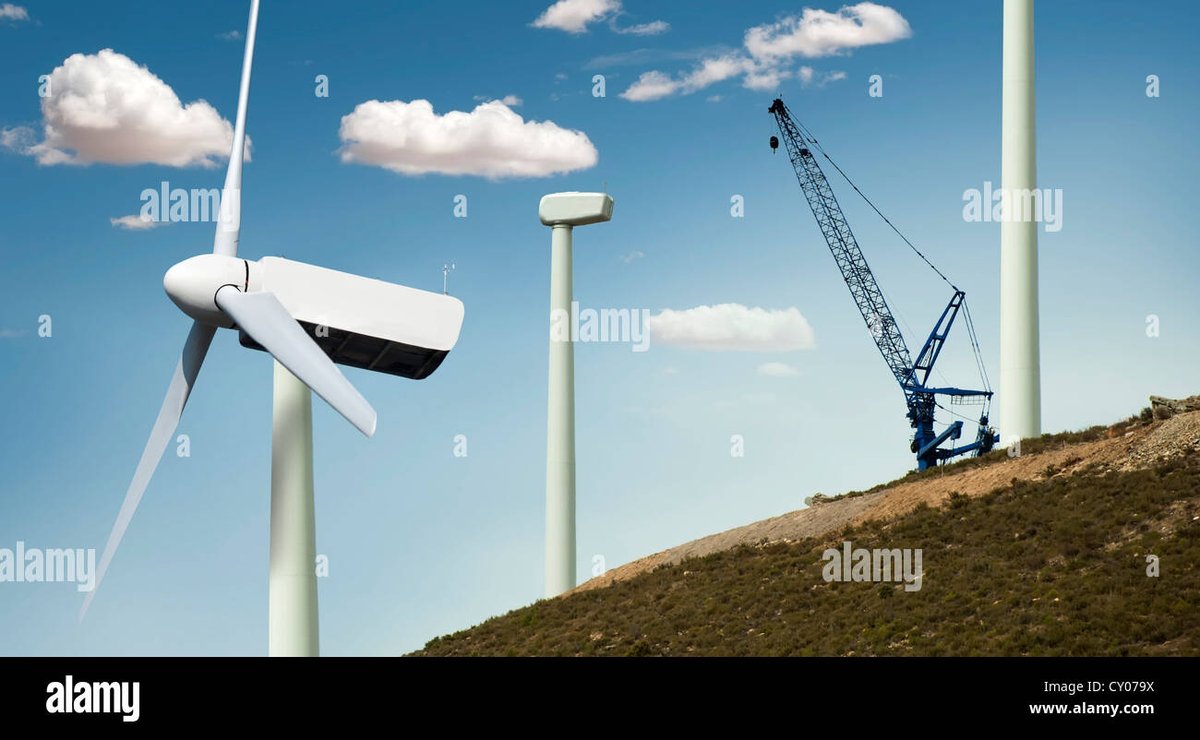
Getting a wind turbine up and running isn't just about catching the breeze; it's a marathon of planning, paperwork, and precise execution. The journey through Installation & Permitting for Wind Turbines is a critical, multi-faceted process that ensures these powerful machines integrate safely and effectively into our communities and landscapes. Navigate this complex landscape successfully, and you're not just building a turbine; you're contributing to a sustainable future.
At a Glance: Your Wind Turbine Project Checklist
- Pre-Application Scrutiny: Thoroughly review zoning, land use, and conduct comprehensive site and environmental impact assessments before you even fill out a form.
- Solid Agreements: Secure clear, legally binding landowner agreements to prevent future disputes.
- Detailed Application: Submit an impeccably documented application with all technical, environmental, and land use details.
- Community Engagement: Actively involve local communities and stakeholders during the public consultation phase to build trust and address concerns proactively.
- Permit Conditions: Be prepared for conditional approvals that dictate operational parameters, environmental monitoring, and reporting obligations.
- Ongoing Compliance: Understand that permit approval isn't the finish line; continuous monitoring and adherence to conditions are non-negotiable.
- Expert Guidance: Don't go it alone. Legal and engineering experts can be invaluable assets in navigating regulatory nuances and potential challenges.
The Foundation: Why Permitting Matters for Wind Energy
The drive for renewable energy is stronger than ever, with wind power leading the charge. But for every towering turbine you see, there's a backstory of meticulous planning and regulatory approval. The permitting process isn't just bureaucratic red tape; it's the bedrock that ensures wind energy projects are developed responsibly. It's about protecting local environments, safeguarding public health, and integrating these significant structures into existing infrastructure without creating unintended consequences. Without this structured legal pathway, the promise of clean energy could easily get lost in a tangle of disputes and adverse impacts.
Phase 1: Laying the Groundwork – Pre-Application Essentials
Before any dirt is turned or any formal application is even considered, a significant amount of preparatory work must be undertaken. This initial phase is all about due diligence, assessing feasibility, and identifying potential hurdles. Think of it as mapping your expedition before you pack your bags.
Demystifying Land Use and Zoning
One of your first stops should be your local planning department. Every piece of land has a designation, and understanding its compatibility with a wind turbine project is paramount. This involves:
- Zoning Review: Confirming that your proposed site's zoning allows for industrial structures of the size and height of a wind turbine. Zoning laws typically dictate crucial setback restrictions—minimum distances from property lines, public roads, airports, and especially residential areas. Failing to meet these can be a non-starter.
- Variance or Special Use Permits: If your project exceeds standard zoning limits (perhaps for turbine height or proximity), you might need to apply for a zoning variance or a special use permit. This often involves additional justification and public hearings. It's an extra step, but a necessary one to ensure your project aligns with community standards.
Comprehensive Site Assessments: Beyond Just Wind
While "wind" is in the name, a suitable site for a turbine involves much more than just a good breeze. You'll need to conduct thorough assessments covering:
- Proximity to Residences and Infrastructure: Evaluate how close your turbines will be to homes, schools, hospitals, and critical infrastructure. This directly impacts noise considerations, shadow flicker, and visual impact.
- Access Roads: Can heavy construction equipment and large turbine components reach your site? Existing road networks may need significant upgrades or new access roads may need to be built, all of which come with their own permitting requirements.
- Grid Connection: A turbine isn't useful if its power can't reach the grid. Feasibility analyses must include assessing the proximity and capacity of existing transmission lines and substations. This is a technical hurdle as significant as the wind resource itself. If you're looking for solutions, you might want to explore off-grid energy solutions that integrate wind power with battery storage.
- Wind Resource Assessment: Of course, you need to know if there's enough consistent wind to make the project economically viable. This involves deploying meteorological towers (MET masts) to collect wind speed and direction data over an extended period.
Environmental Impact Studies (EIS): Protecting Our Planet and Neighbors
Wind turbines, for all their environmental benefits, can still have localized impacts. An Environmental Impact Study (EIS) is a detailed investigation to understand and mitigate these. Key areas of focus include:
- Wildlife Impacts: Especially concerning migratory birds and bats. Studies identify flight paths, nesting sites, and potential collision risks. This often leads to specific operational conditions, such as turbine shutdowns during peak migration periods or the implementation of deterrent systems.
- Vegetation and Local Ecosystems: Assessing the impact on local flora, sensitive habitats, and water bodies.
- Noise Levels: Turbines produce noise. An EIS models expected noise levels at various distances and compares them against local ordinances and health guidelines. Mitigation might involve specific turbine models or increased setbacks.
- Shadow Flicker: The intermittent shadow cast by rotating blades can be a nuisance for nearby residents. Studies predict flicker duration and intensity, often leading to adjustments in turbine placement or operational curtailment during specific times.
- Landscape Changes: How will the turbines visually affect the local landscape? This involves visual simulations and aesthetic considerations.
Landowner Agreements: Building Relationships, Securing Rights
A wind project requires long-term access and use of land. Securing clear, robust legal agreements with landowners is absolutely vital. These aren't just handshake deals; they are detailed contracts covering:
- Access Rights: Ensuring developers have continuous, unrestricted access for construction, operation, and maintenance.
- Land Use Permissions: Delineating exactly what land can be used for turbines, access roads, substations, and other project components.
- Compensation: Clearly outlining payment structures, royalties, and other financial benefits for landowners.
- Provisions for Maintenance and Decommissioning: Planning for the full lifecycle of the project, including how the land will be managed during operation and restored at the end of the turbine's life. These agreements minimize future disputes and provide a stable foundation for the project.
Phase 2: The Formal Submission – Assembling Your Application
Once the groundwork is complete, you're ready to compile and submit your formal permit application. This isn't a quick form; it's a comprehensive dossier designed to give regulators a complete picture of your project.
Your application package must typically include:
- Detailed Project Description: This covers everything from the type and specifications of your turbines (e.g., hub height, rotor diameter, power output – understanding different types of wind turbines is crucial here) to a precise layout map of the entire wind farm and a clear construction timeline.
- Technical Reports: Including the detailed wind resource assessment, engineering designs, and grid connection studies.
- Environmental Impact Assessments (EIA): The full report of your EIS, outlining potential impacts and proposed mitigation strategies.
- Land Use Plans and Approvals: Documentation of zoning compliance, any variances secured, and the site's overall compatibility with local development plans.
- Proof of Secured Landowner Agreements: Copies of all signed and legally binding agreements.
Key takeaway: Accuracy and completeness are not just good practice; they are crucial for accelerating the review process. Missing information or inaccuracies will inevitably lead to delays and requests for further details.
Phase 3: Scrutiny and Dialogue – Regulatory Review and Public Consultation
With your application submitted, the ball moves into the court of regulatory agencies and the local community. This is where your detailed preparation is truly put to the test.
The Regulatory Gauntlet
Regulatory agencies, often a blend of local, state, and sometimes federal bodies, will meticulously examine every aspect of your application. Their review focuses on:
- Legal Standards: Does the project comply with all applicable environmental laws, energy regulations, and local ordinances?
- Zoning and Land Use: A re-verification that the project aligns with approved land use plans and zoning requirements.
- Technical Aspects: Engineers will assess the structural integrity, safety, and efficiency of the proposed turbines and infrastructure.
- Environmental Impacts: A deep dive into the EIA, scrutinizing the findings and proposed mitigation measures, particularly concerning wildlife, noise, and visual impacts.
- Safety Measures: Ensuring robust safety protocols are in place for construction, operation, and potential emergencies.
Expect requests for revisions, clarifications, and possibly additional studies. This iterative process is standard and part of ensuring a robust, compliant project.
Public Consultation: Building Community Trust
Wind turbine projects, by their nature, are highly visible and can evoke strong opinions. Public consultation is a vital phase for engaging local communities and stakeholders. This typically involves:
- Public Notices: Formal announcements in local media and direct mailings to nearby residents.
- Public Hearings: Open forums where the development team presents the project, and community members can voice concerns, ask questions, and submit formal comments.
- Comment Periods: Designated times for individuals and groups to submit written feedback to regulatory bodies.
Addressing concerns about noise, visual impact, shadow flicker, and ecological effects transparently and constructively is paramount. This phase is not just a formality; it's an opportunity to build trust, address misconceptions, and often leads to project modifications that result in a better outcome for all. For a deeper dive into these discussions, understanding the broader benefits and challenges of wind power can be incredibly helpful.
Phase 4: The Verdict – Permitting Decisions and Conditions
After thorough review and public input, authorities will issue their decision. This could be an outright approval, a conditional approval, or a denial.
Conditional Approvals: The New Normal
Outright denials are relatively rare for well-planned projects. More commonly, developers receive conditional approvals. These permits come with a specific set of requirements designed to mitigate identified risks and ensure ongoing compliance throughout the project's life. These conditions can be highly detailed and might include:
- Operational Parameters: Specific hours of operation for turbines, especially during certain weather conditions or wildlife migration periods.
- Noise Limits: Strict decibel limits at property lines, often requiring ongoing monitoring.
- Setback Requirements: Reconfirming the necessary distances from sensitive areas.
- Environmental Monitoring: Requirements for continuous monitoring of wildlife, habitat, or water quality.
- Reporting and Inspection: Mandatory periodic reports on operational performance and environmental compliance, along with regular inspections by regulatory agencies.
These conditions are legally binding, and adherence to them is not optional. They become an integral part of the Wind Energy Law governing your project.
Phase 5: From Paper to Power – Post-Approval Compliance and Monitoring
Receiving a permit is a significant milestone, but it marks the beginning of the operational phase's compliance requirements. The project needs to consistently meet the conditions set forth in its approval.
Regular Inspections and Oversight
Regulatory agencies will conduct periodic inspections to verify that safety protocols are followed, environmental standards are maintained, and the project operates within its permitted parameters. These inspections can involve:
- Visual Assessments: Checking for obvious deviations from approved plans.
- Data Reviews: Examining operational data, noise monitoring logs, and environmental monitoring reports.
- Environmental Sampling: Testing water, soil, or air quality if relevant to permit conditions.
Continuous Monitoring and Reporting
Operators are required to implement ongoing monitoring systems to track key performance and environmental metrics. This includes:
- Operational Performance: Regular reports detailing energy production, downtime, and maintenance activities.
- Environmental Impacts: Continuous noise measurements, wildlife impact assessments (e.g., carcass surveys), and habitat monitoring.
- Incident Reporting: Prompt reporting of any safety incidents, environmental breaches, or operational anomalies.
These systems are crucial for identifying issues early and maintaining the validity of your permit. Neglecting these obligations can lead to significant consequences.
Reporting Obligations and Corrective Measures
Permit holders aren't just operating; they're reporting. Detailed reports on operational data, safety incidents, and environmental impacts must be submitted regularly. Should any deviations from standards occur—a noise violation, an unforeseen environmental impact, or a safety lapse—corrective measures are immediately required. This could involve:
- Maintenance Actions: Repairing or upgrading equipment.
- Safety Upgrades: Implementing new safety protocols or features.
- Environmental Mitigation: Adjusting operations or implementing new measures to address an environmental issue.
Failure to implement corrective measures or consistently adhere to reporting obligations can trigger enforcement actions, including penalties or, in severe cases, permit revocation.
Adapting to Change: Permit Modifications and Extensions
The world doesn't stand still, and neither do projects. Over time, technical advancements, unforeseen environmental factors, or logistical shifts might necessitate changes to your approved wind turbine installation.
When Plans Evolve: Applying for Modifications
Procedural provisions exist for developers to adjust or even enlarge installations post-approval. However, this isn't a simple tweak. Applications for modifications must clearly demonstrate:
- Continued Compliance: The proposed changes still adhere to all relevant regulations and standards.
- No Adverse Impact: The modifications will not create new or exacerbated adverse impacts on environmental or safety standards.
- Updated Documentation: All relevant technical reports, environmental assessments, and land use plans must be updated to reflect the proposed changes.
This essentially kicks off a mini-permitting process, requiring careful preparation and often another round of regulatory review.
Navigating Rough Waters: Legal Challenges and Disputes
Even with the most meticulous planning, wind turbine projects can encounter legal challenges and disputes. These often arise from:
- Procedural Errors: Accusations that the permitting process itself was flawed or didn't follow proper legal procedures.
- Inadequate Environmental Assessments: Challenges to the completeness or accuracy of the EIS, arguing that potential impacts were underestimated or overlooked.
- Community Opposition: Organized resistance from local groups or individuals who feel their concerns were not adequately addressed or that the project's impacts outweigh its benefits.
Such disputes can lead to legal challenges with administrative agencies or even formal court proceedings. Resolutions often involve complex legal proceedings, appeals, or negotiations, all of which require thorough documentation, adherence to strict deadlines, and often, expert legal representation.
Best Practices for a Smooth Journey
Successfully navigating the wind turbine permitting process demands strategic thinking and proactive engagement. Here's how to stack the odds in your favor:
- Thorough Preparation and Proactive Communication: Start early. Engage with regulatory authorities, local planning commissions, and community leaders before you've committed significant resources. Clarify requirements, ask questions, and demonstrate a willingness to work collaboratively.
- Deep Understanding of Regulations: Immerse yourself in local land use plans, zoning ordinances, and environmental standards. Every jurisdiction has its quirks. This insight also helps in choosing the right site for your wind power project from the start.
- Robust Stakeholder Engagement: Don't just tick the box on public consultations. Build genuine, strong relationships with landowners, local residents, environmental groups, and Indigenous communities. Transparent communication and an honest willingness to address concerns will enhance project acceptance and mitigate opposition.
- Organized Documentation: This cannot be stressed enough. Maintain meticulous, organized records of all assessments, agreements, correspondence, meeting minutes, and regulatory submissions. A well-organized digital and physical archive will be your best friend during reviews, modifications, or disputes.
- Stay Informed: Laws and regulations change. Keep abreast of legal updates, new technologies, and evolving regulatory changes at all levels of government.
- Expert Consultation: This is not an area for DIY. Seek legal counsel experienced in wind turbine permitting, environmental consultants who specialize in energy projects, and engineering firms with a track record in renewable energy. Their expertise is invaluable for navigating complexities, securing modifications, obtaining extensions, or handling disputes. For instance, understanding the implications of regular maintenance schedules for permit compliance is something an expert can guide you through.
Your Next Steps in Harnessing the Wind
The path to installing wind turbines is clearly defined, albeit rigorous. It requires a blend of technical expertise, legal acumen, and genuine community engagement. By understanding each phase, preparing diligently, and working collaboratively with all stakeholders, you can successfully navigate the permitting landscape and contribute to a powerful, sustainable future. Ready to make your vision a reality? It's time to gather your team and explore wind generator options that meet your project's needs and regulatory demands. The wind is waiting.